Turning onboarding friction, KYC complexity, and unclear handoffs into a lifecycle system teams could actually operate.
Lifecycle automation in fintech has to respect real operational nuance.
Verification steps vary by customer type, geography, and product. Some users move quickly; others stall on KYC or KYB requirements, missing documentation, or internal approvals. Product data, CRM records, and support context often live in separate systems, which makes timing difficult to get right.
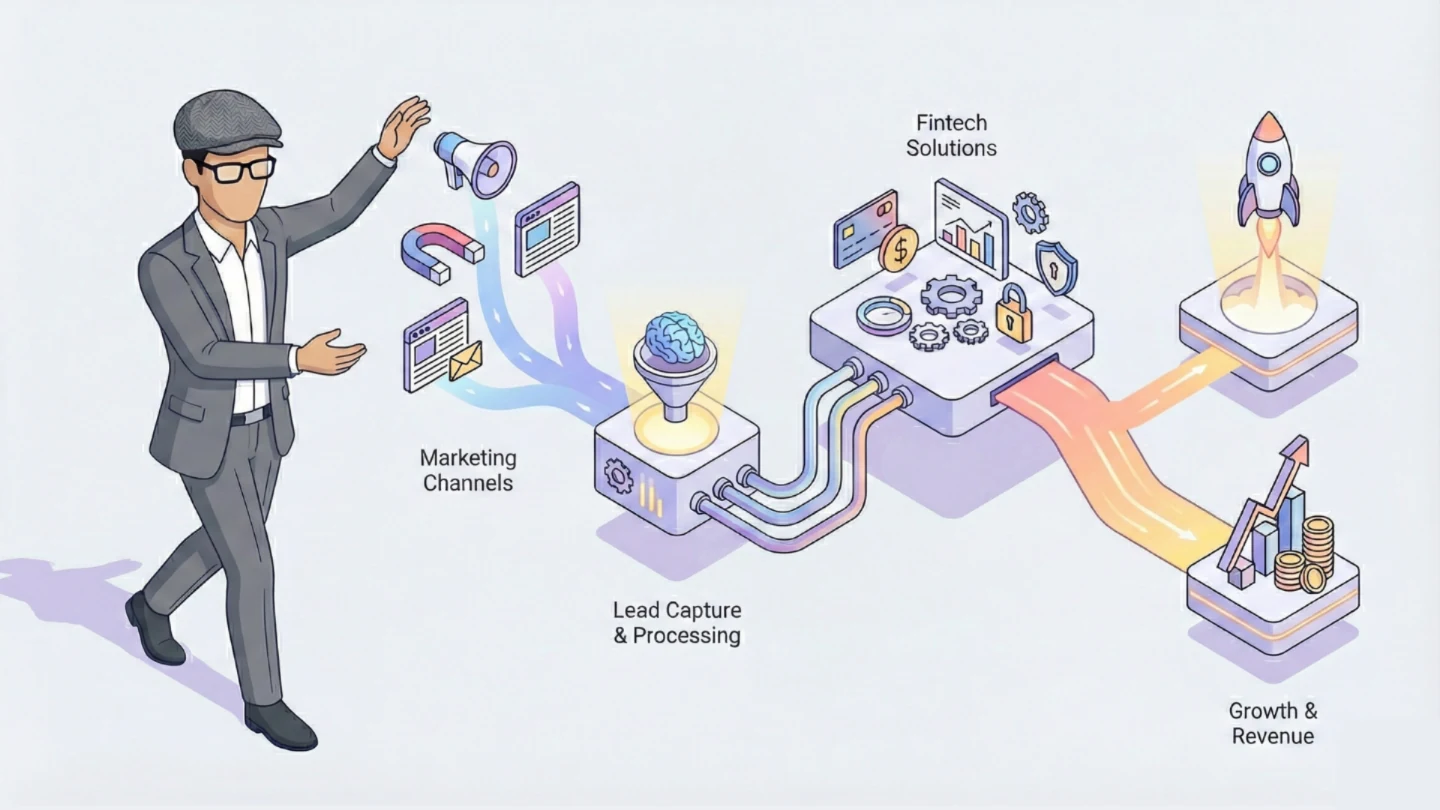
To be useful, the automation had to connect onboarding states, educational content, intervention rules, and CRM visibility into one structure. The goal was not to send more messages. It was to help customers progress with less confusion and less internal guesswork.
Designing the lifecycle system meant aligning teams that touched customers at very different moments. I worked with product and engineering to translate onboarding states into usable lifecycle signals, with compliance to define exception handling, and with support to understand the questions that repeatedly slowed customers down.
Sales and BD helped determine when a human handoff was necessary and when automated guidance could keep the customer moving. Content and design supported the educational layer so each message matched the actual step the user was in.
That collaboration turned lifecycle automation into a shared operating model instead of a marketing-owned email flow.
To make onboarding easier to navigate, I built a lifecycle system around customer states rather than fixed drip schedules.
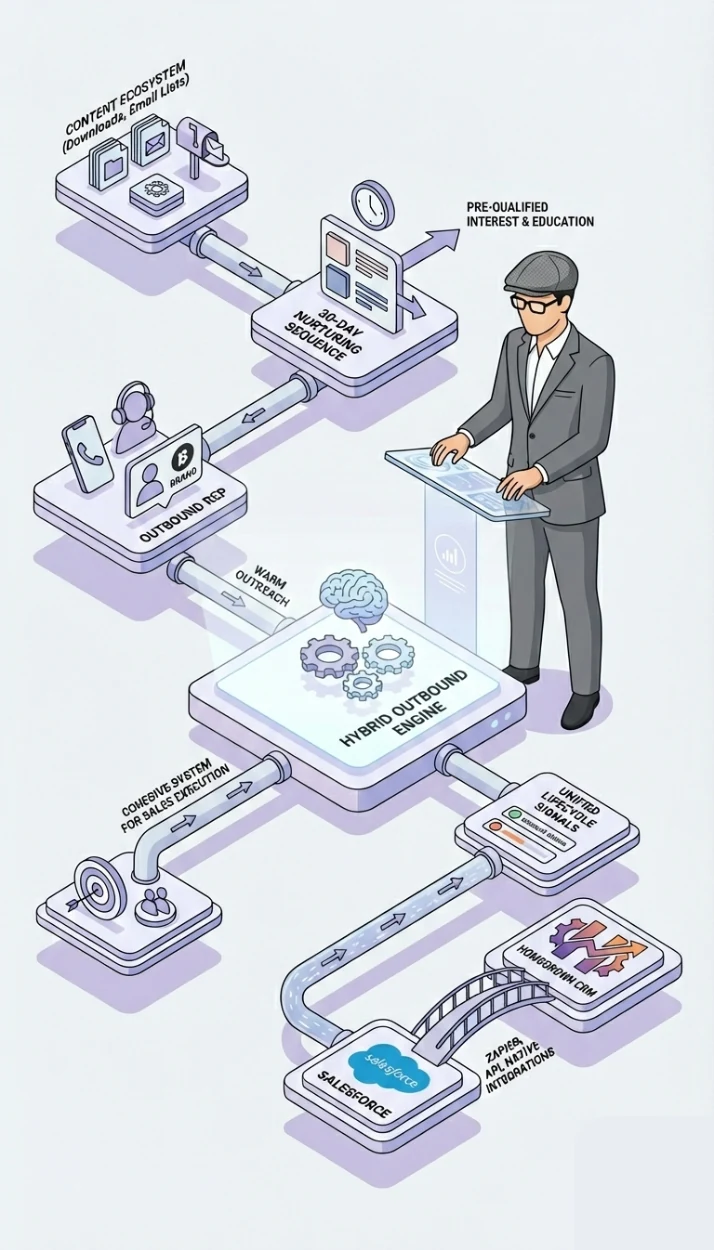
When someone registered, the workflow used CRM data, product signals, and verification status to decide what message they should receive next. Educational emails explained the current step, triggered reminders when progress stalled, and surfaced the right guidance before support volume spiked. Internal teams could also see where an account was in the journey, which made intervention more precise.
The result was a clearer onboarding experience for customers and a cleaner activation framework for the business. Instead of disconnected updates, each touchpoint reflected the same progress model.
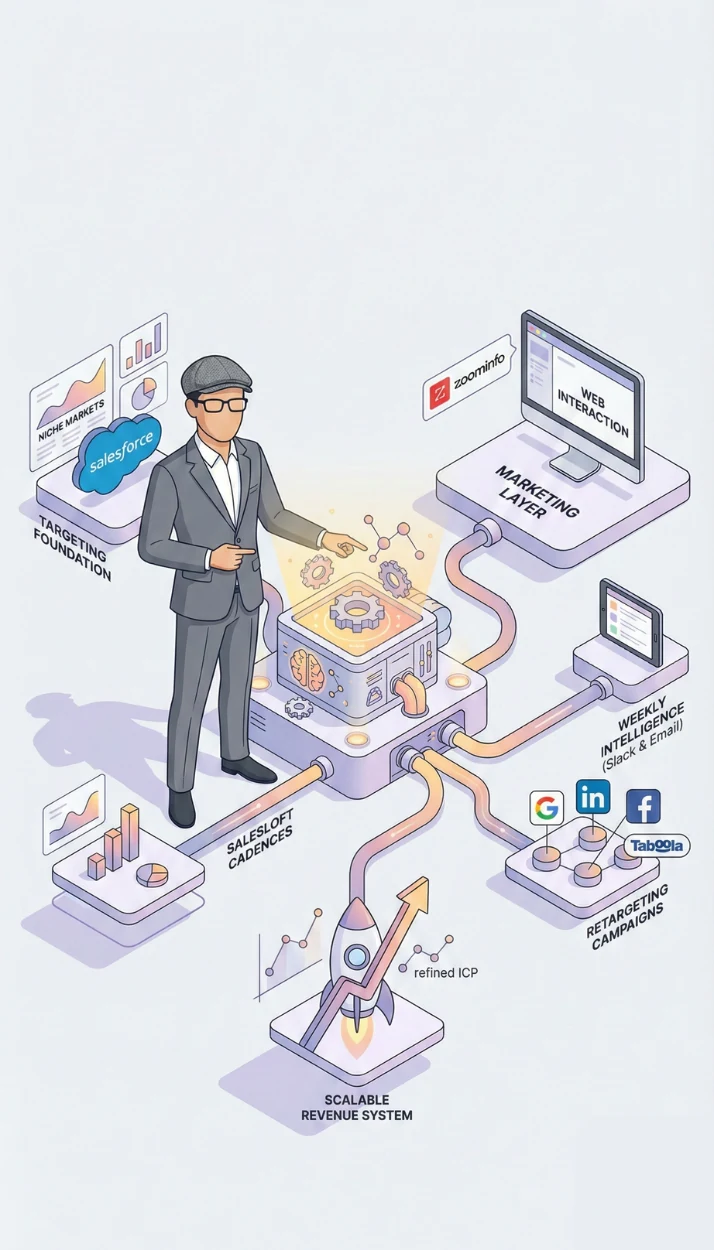
Designing this engine required deep collaboration across the organization. I worked with the Sales Director to define vertical testing structure, cadence strategy, and feedback loops.
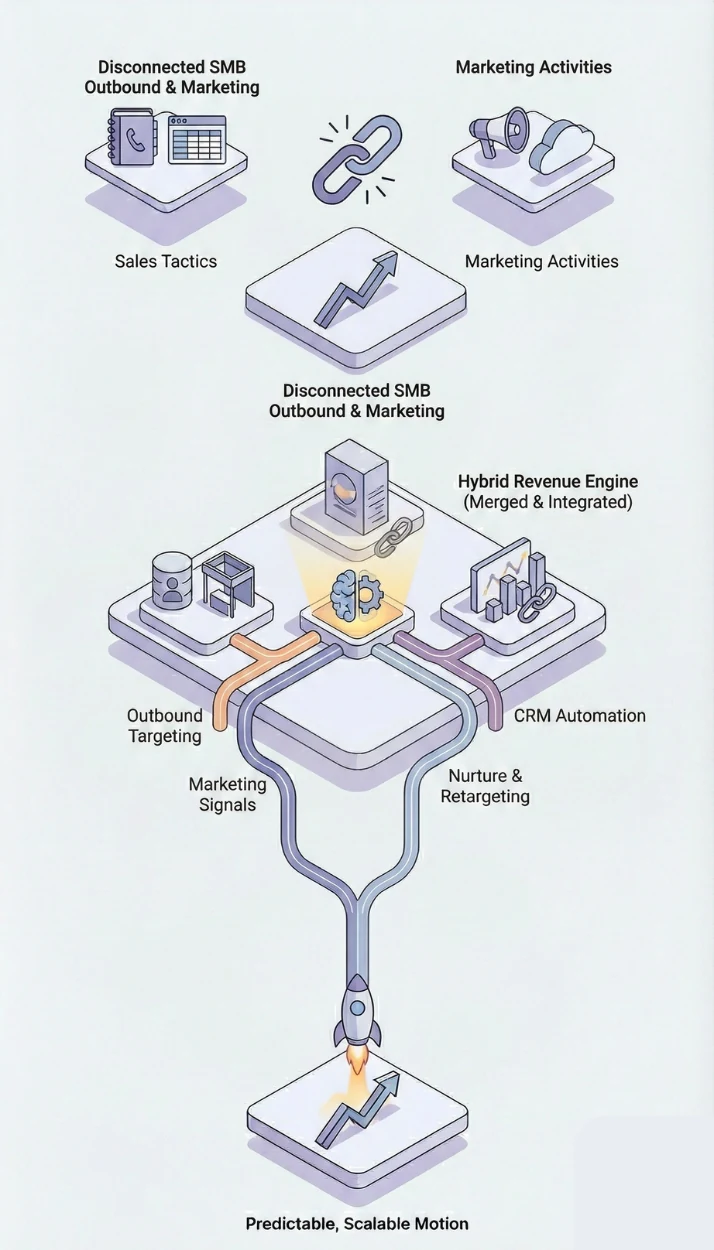
With marketing, I aligned retargeting, nurturing, and content strategy to support outbound patterns rather than inbound funnels alone. With engineering and product, I built bridges between the CRM and the internal platform, ensuring onboarding and account states could influence sales timing and message relevance. With customer support, I identified where prospects struggled during early product interaction, injecting educational content into nurture sequences to reduce friction before reps ever engaged.
These collaborations ensured the system reflected reality—not idealized assumptions—and created a foundation the team could rely on instead of bypass.
Lifecycle automation matters most when onboarding states are visible, shared, and tied to the real work customers still have to do.
This project showed that activation improves when CRM signals, education, support triggers, and human intervention follow the actual customer journey instead of a generic drip schedule.
That is the kind of lifecycle system I like building: one that reduces friction, helps teams coordinate faster, and gives customers a clearer path to value.