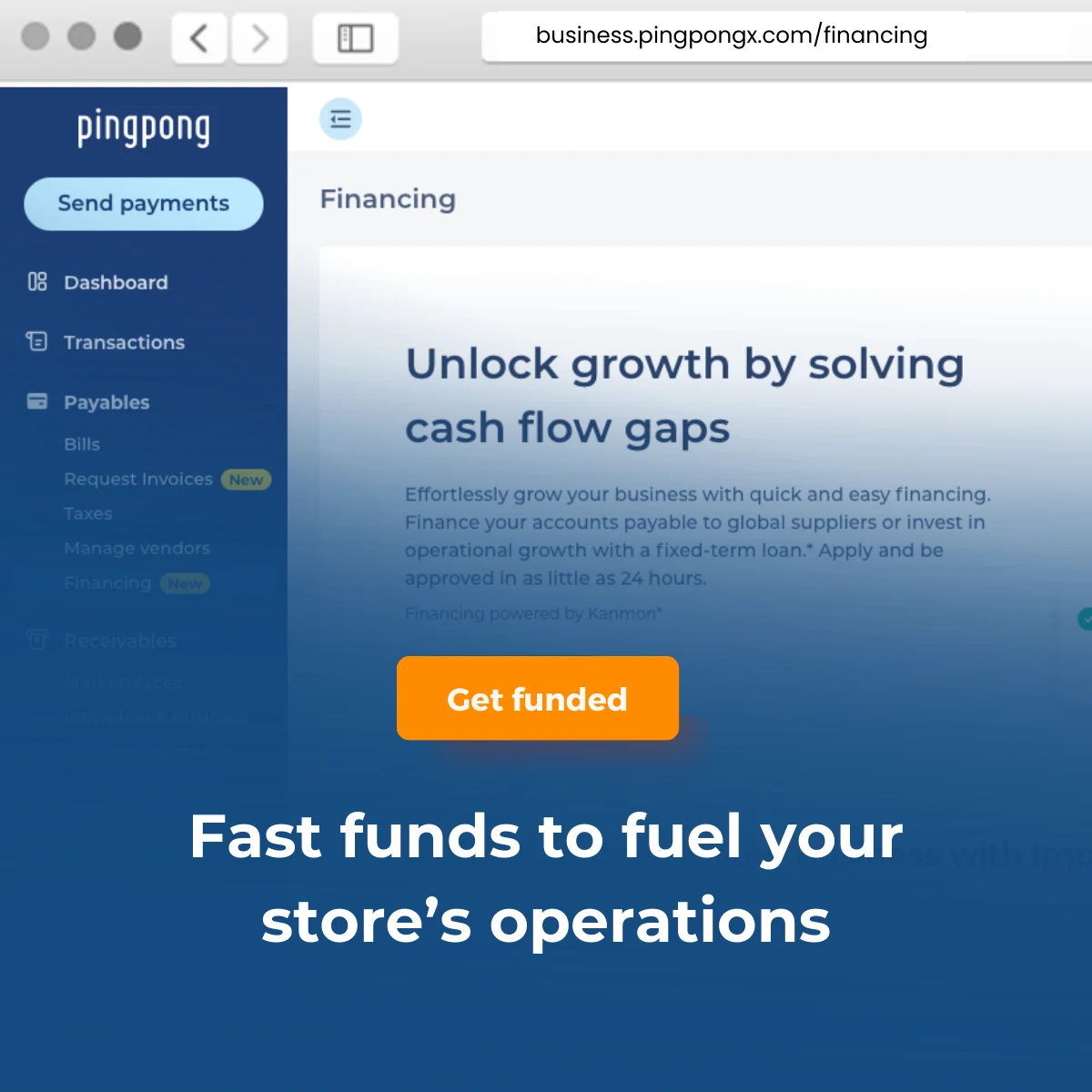
User acquisition works best when channel strategy, experimentation, landing pages, and downstream operations are designed together.
In B2B and fintech, efficiency is not just about lowering CPA. The harder part is generating demand that can survive qualification, trust checks, onboarding, and regional handoff. That is why I build acquisition systems around downstream quality, not just top-of-funnel volume.
Across North America, Europe, and Southeast Asia, that means matching paid strategy to funnel structure: intent tiers, local relevance, CRM readiness, and the actual experience after conversion.
Every engagement begins with understanding the audience, the use case, and the funnel constraints before I touch budget allocation.
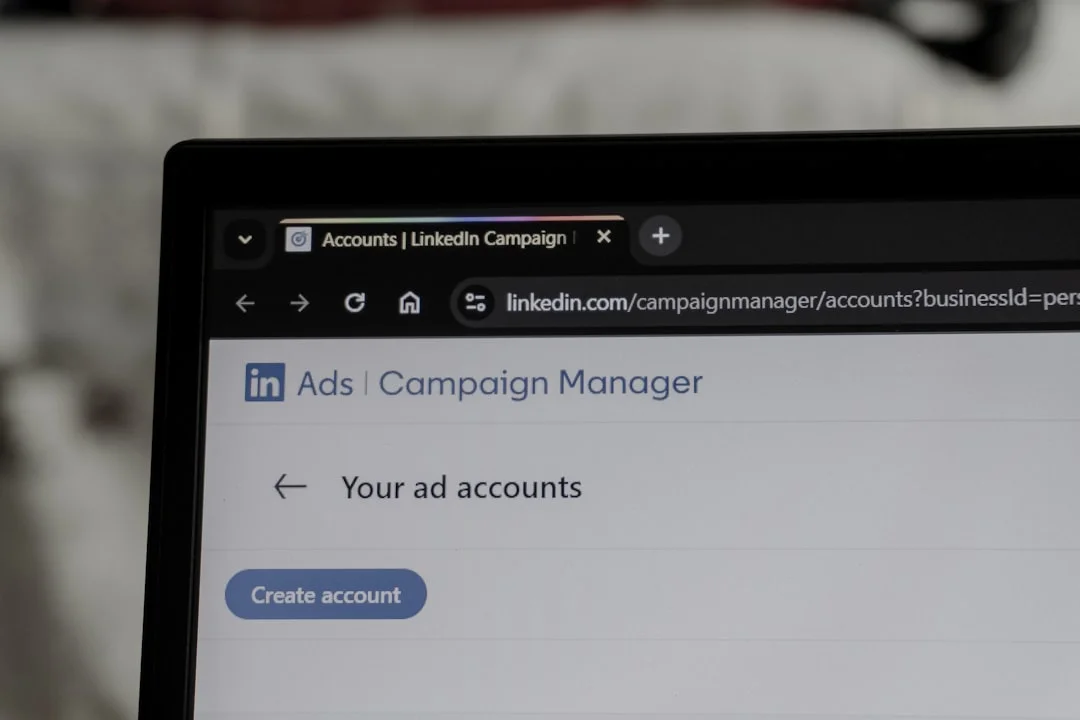
That helps determine whether the priority is bottom-funnel demand capture, mid-funnel education, or broader awareness that shapes future pipeline. From there, I design paid programs across Google, Meta, LinkedIn, TikTok, and programmatic around clear intent buckets, creative testing, landing page alignment, and data feedback loops.
What makes the system effective is operational alignment. Enrichment, routing, scoring, and onboarding friction all influence what a click is actually worth. I use cohort performance, product signals, and lifecycle data to refine acquisition decisions based on conversion quality, not surface metrics alone.
A representative acquisition loop looks like this:
- Ads create segmented intent →
- Leads are enriched and scored →
- Signals shape routing and follow-up →
- Lifecycle messaging adapts by readiness →
- Sales or onboarding takes over at the right moment →
Activation performance then feeds back into channel strategy.
This closed loop is what makes paid acquisition more predictable in B2B and fintech.
Regional execution matters just as much as channel choice.
I adapt messaging, landing pages, keyword clusters, audiences, and measurement by market so North America, Europe, and Southeast Asia are not forced into the same campaign logic.
Some regions require more education, others lean more heavily on competitive positioning or local trust cues. The result is a performance program that is both more efficient and more context-aware.
5+ paid surfaces coordinated: Google, Meta, LinkedIn, TikTok, and programmatic were managed as one testing system, not isolated channels.
Creative + landing page iteration: CAC efficiency improved because messaging, offer, and page experience were tested together instead of in silos.
3 regions adapted: North America, Europe, and Southeast Asia each ran with more local fit instead of one universal playbook.
1 closed-loop measurement model: TPV, utilization, and revenue quality fed back into channel decisions, so spend was judged by downstream value, not clicks alone.
We worked closely together rolling out a new part of the business, and I was constantly amazed not only by his technical project management skills, but also by his ability to keep the team motivated through the inevitable challenges. For any company or team that needs a proven Marketing Manager with a get-it-done-with-a-smile approach, Daniel is your guy!
Daniel has a great track record in the fast-paced environment and has proven his self as an individual who focuses on multi-tasking while balancing the need s and goals of the company. He is intelligent, willing to learn, and is a hard-working performer amongst his peers at Tolocal. Finally, he does what he says he will do because his word is guaranteed. This is a unique and powerful combination of skills and experience.
Working with Daniel has been a highlight in my career in fin-tech. He is an extremely diligent worker whose attention to detail is matched by his understanding of how the details affect the bigger picture. I hope to work with Daniel again in my career. Together we were a winning team and I count him as a life-long friend.

Happy to talk through paid strategy, landing page testing, measurement, and acquisition systems tied to qualified pipeline.
Get in Touch