
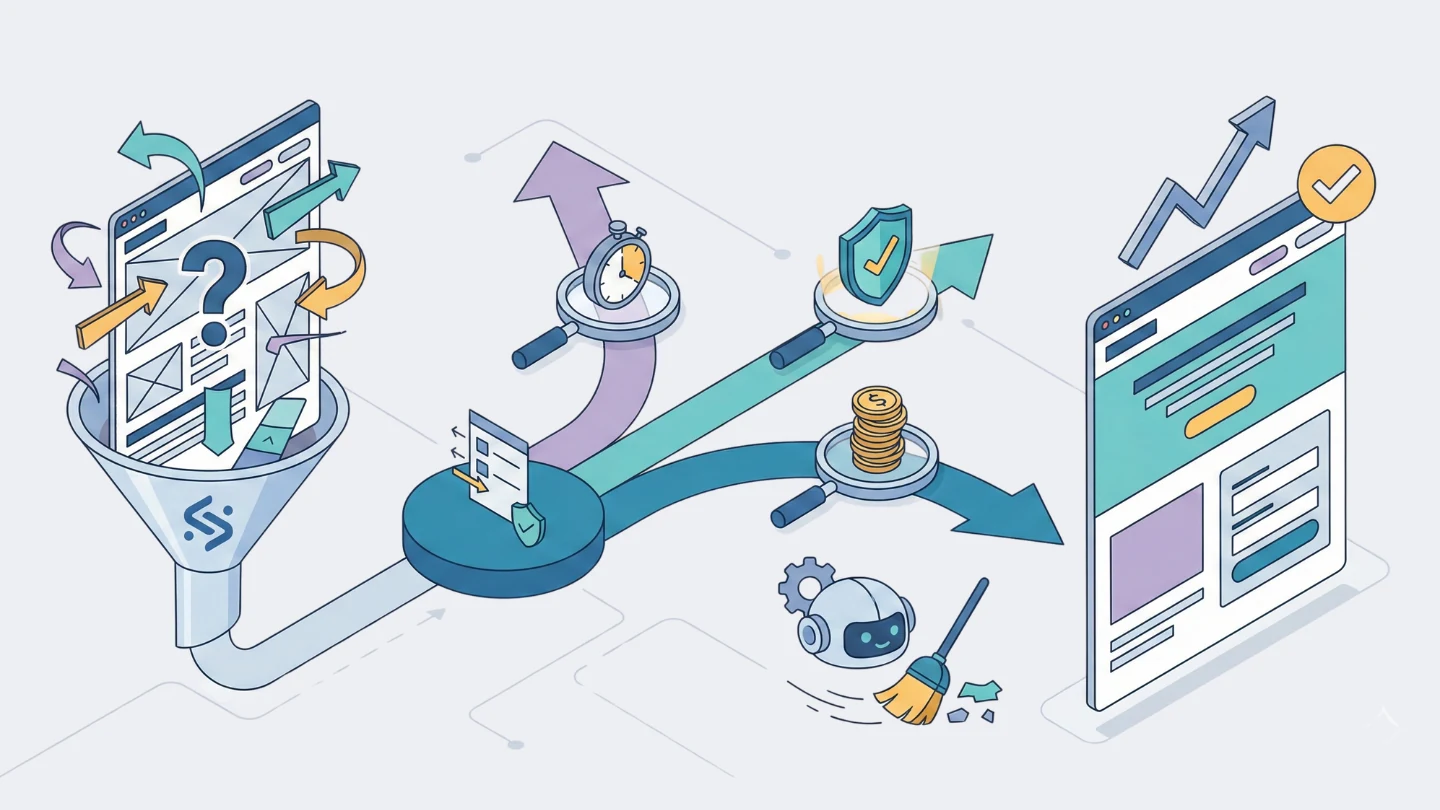
When I first joined the team, marketing work didn’t feel broken in an obvious way. Campaigns were launching, emails were being sent, the website was being updated, and data requests were getting answered. On the surface, things were moving. But underneath, there was a constant sense of friction. Attention was fragmented. Requests arrived from everywhere. Email threads kept growing longer. Decisions were revisited multiple times. The team was busy, but rarely calm.
At some point, I realized that email campaigns, website updates, and data requests were not separate problems. They were symptoms of the same operational issue. The problem wasn’t execution. It was the absence of a system that could absorb demand without overwhelming the people inside it.
I started looking at marketing operations less as a set of tasks and more as a way to manage focus. Every ad-hoc request, every “quick change,” every last-minute approval carried a hidden cost. Not just time, but context switching. Once attention is broken too often, velocity drops even if everyone is working hard. My goal wasn’t to make marketing faster at all costs. It was to make it predictable, sustainable, and scalable.
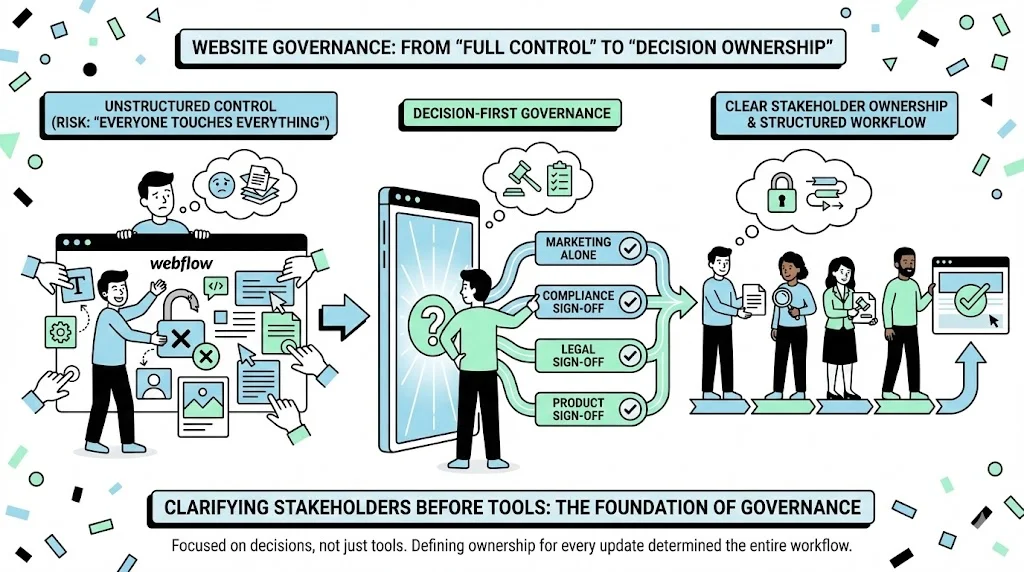
The website was the first place where this thinking became concrete. After moving the North America site to Webflow, the team finally had full control over content updates. That freedom was powerful, but it also introduced risk. Without clear rules, “full control” quickly turns into “everyone touches everything.” So instead of focusing on tools, I focused on decisions. Before any new page or update, we clarified who the true stakeholder was. Was this owned by marketing alone, or did it require compliance, legal, or product sign-off? That single decision determined everything that followed.
Once ownership was clear, the next question was scope. Could this be built using existing templates, or did it require new design work? That decision wasn’t cosmetic. It determined timeline, resource allocation, and review depth. For new designs, we deliberately slowed the front end of the process. We allocated time for content drafting based on information architecture, coordinated UI/UX schedules with external designers, and aligned expectations early. Slowing down here prevented chaos later.
We also resisted the temptation to launch continuously. Instead, we worked in bi-weekly website sprints. Pages didn’t go live whenever they were “ready.” They entered a queue, went through pre-launch reviews, and shipped together. After each launch, we sent a clear internal update explaining what changed and why. That transparency reduced follow-up questions and rebuilt trust with other teams.
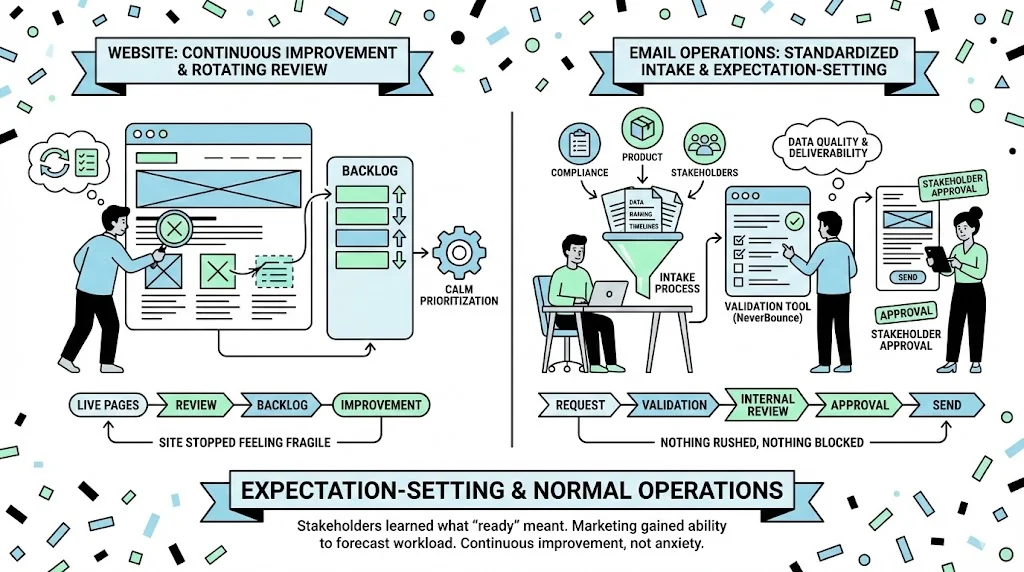
What surprised me most was how much value came from what happened after launch. We introduced a rotating internal website review, where team members periodically reviewed live pages and flagged issues or improvements. These weren’t emergency fixes. They went into a backlog, prioritized calmly, and addressed over time. The site stopped feeling fragile. It became something the team could continuously improve without stress.
Email operations followed a similar path. Before, email requests arrived as scattered messages from compliance, product, and other teams. Each request was reasonable on its own, but collectively they drained attention. I introduced a standardized intake process. Every request came with clear data requirements, naming conventions, and timelines. We validated data quality before sending anything, checked deliverability using tools like NeverBounce, and ran internal reviews before stakeholder approval. Nothing was rushed, but nothing was blocked either.
The most important change wasn’t the tools. It was expectation-setting. Stakeholders learned what “ready” actually meant. Marketing gained the ability to forecast workload instead of reacting to it. After each campaign, we shared performance summaries within 24 hours, not as a report card, but as a feedback loop. Over time, email stopped being a source of anxiety and became part of normal operations.
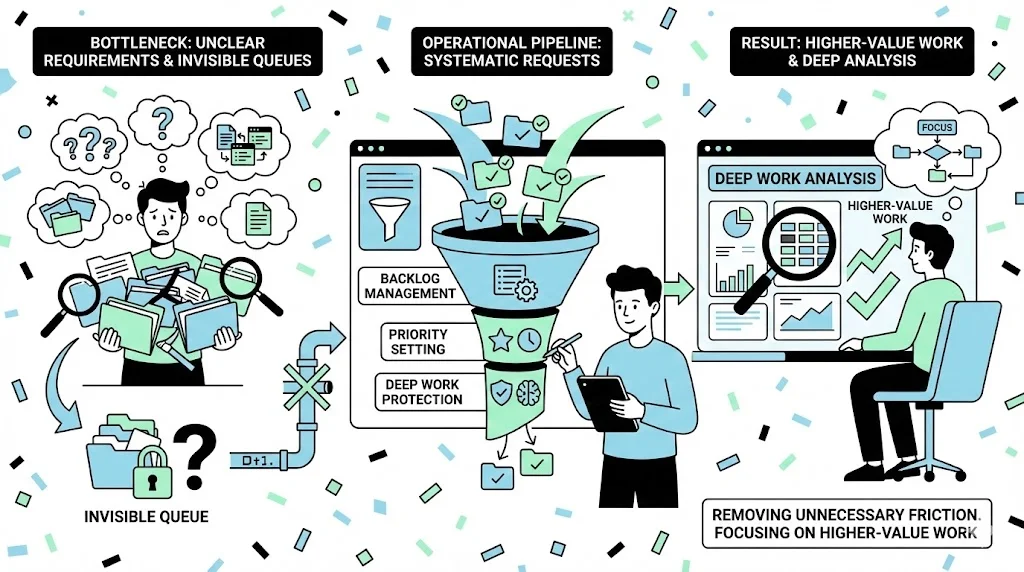
Data requests revealed the same pattern. Different teams needed different views, but the bottleneck was always the same: unclear requirements and invisible queues. By routing requests through a simple operational pipeline, we could see backlog, manage priorities, and protect deep work time for analysis. This wasn’t about saying no. It was about saying “yes, but through a system.”
Looking back, none of this was particularly complex. There was no single breakthrough moment or sophisticated framework. The work was mostly about noticing where attention leaked and designing small constraints to protect it. I wasn’t trying to control people. I was trying to remove unnecessary friction so they could focus on higher-value work.
This is how I think about marketing operations. Not as bureaucracy, but as infrastructure. A good system doesn’t make work rigid. It makes it calmer. It creates space for judgment instead of replacing it. It allows teams to scale without burning out, and it turns chaos into something manageable.
That, to me, is the real value of marketing operations. It’s not about doing more. It’s about making sure the work that matters actually gets the attention it deserves.
Frequently Asked Questions
What usually improves lifecycle performance fastest?
The fastest gains usually come from clearer segmentation, better timing, and stronger alignment between the message and the user’s actual state in the journey. When the trigger is right, the copy has a much better chance of working.
Why do onboarding and email systems break at scale?
They usually break because status changes are not synced cleanly, ownership is fragmented, or generic messaging is being sent into moments that need more context. Scale exposes weak workflow design very quickly.
What should teams automate first?
Start with milestone-based triggers, state changes, and the moments where users predictably get stuck. Those are the places where automation improves clarity without making the experience feel robotic.
Related Expertise
If this topic overlaps with your work, these service pages show the operating systems behind it.
Related Reading
Explore a few connected notes if you want to go deeper on this topic.